Should you treat a Vdara unit as your personal Strip retreat or lean into rental income? The right answer depends on your goals, how often you plan to visit, and how comfortable you are with hotel-style operations and fees. If you are clear on what you want out of 89158 ownership, you can match your plan to Vdara’s rules, management options, and economics.
In this guide, you will learn how Vdara works as a condo-hotel, how each ownership path performs, and what to verify before you write an offer. You will also get a practical framework to compare second-home benefits against investment tradeoffs. Let’s dive in.
How Vdara works in 89158
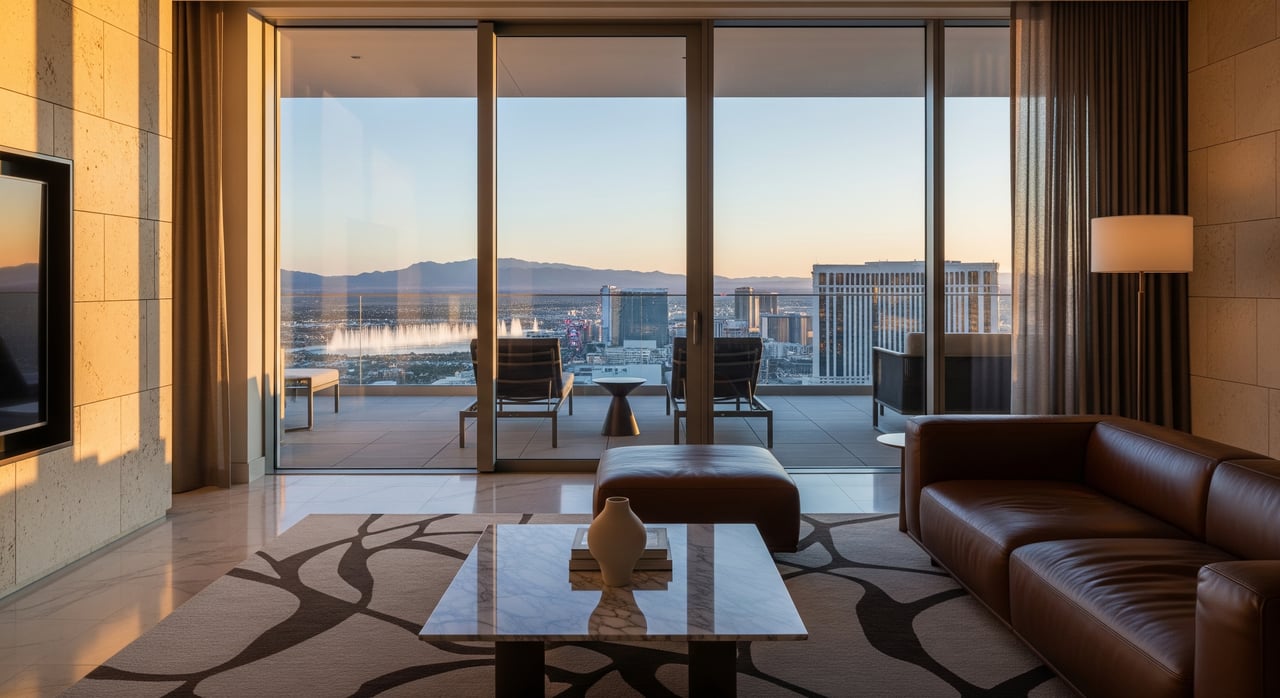
Vdara is a condo-hotel inside CityCenter on the Las Vegas Strip. It runs as a non-gaming, smoke-free, hotel-style building with professional guest services and resort amenities. Units are individually owned condominiums within a hospitality operation, which means you can use your residence and may have access to rental options, subject to association rules and program agreements.
Demand along the Strip follows leisure travel, conventions and trade shows, and the event calendar. Seasonality and the convention schedule drive occupancy and rates. That is why you see strong peaks during major conferences and holidays, with softer shoulder periods.
Local rules matter if you plan to rent. Clark County and the City of Las Vegas regulate transient lodging and collect lodging taxes. Nevada does not have a state personal income tax, which can improve after-tax outcomes for some owners.
Second home vs investment: the three paths
Vdara typically fits one of three strategies. Each has clear pros and cons.
Pure second home use
- Goals: reliable personal access, amenities, and long-term appreciation rather than near-term cash flow.
- Pros:
- Full control of your calendar for owner stays, subject to HOA reservation procedures.
- No guest turnover or short-term compliance work.
- On-site services create an easy, amenity-rich experience.
- Cons:
- Higher fixed carrying costs without offsetting rental income.
- Capital is tied up in a less liquid asset shaped by market cycles.
- Fit at Vdara: strong if you value Strip convenience and are comfortable treating costs as a lifestyle expense. Verify how owner reservations are handled and any minimum procedures for owner stays.
Blended personal use plus short-term rental
- Goals: offset a portion of carrying costs while keeping meaningful owner time.
- Pros:
- Rental revenue can reduce your net annual outlay.
- You keep flexibility to reserve your own stays.
- Professional on-site management, if offered, lightens the workload.
- Cons:
- HOA rental rules and program terms can limit last-minute personal use or set minimum stays.
- More wear and tear, housekeeping, and maintenance.
- Income varies with seasonality and competition.
- Fit at Vdara: often the most practical middle ground because the building is built for hotel-style guests. Confirm whether you must use the on-site program, whether self-rental is allowed, and if there are caps on rental days.
Primarily investment-focused
- Goals: maximize income with high occupancy and competitive average daily rate.
- Pros:
- Strong revenue potential in peak periods.
- Professional management and marketing access can help stabilize operations.
- Cons:
- Different tax and financing treatment for investments compared with second homes.
- Returns depend on occupancy and ADR in a competitive, supply-sensitive market.
- Entry and exit decisions are influenced by market cycles.
- Fit at Vdara: compelling if you can obtain reliable unit-level history, understand the rental program’s revenue split and controls, and model conservative cash flow under slower periods.
Rules that shape your choice
At condo-hotels, association documents and management contracts shape utility and income. Request these early.
- HOA CC&Rs, bylaws, and rules: Confirm permitted rental types, registration needs, minimum stay requirements, owner blackout periods, and any cap on rental days or mandatory use of the on-site program.
- HOA financials and minutes: Understand current dues, what they include, reserve funding, capital plans, and any special assessment risk.
- Rental program agreement: Review the fee structure, revenue split, who controls pricing and distribution, cancellation policies, housekeeping standards, and how you book owner stays.
- Hotel operating stats: If available, request historical occupancy, ADR, and RevPAR, plus any month-by-month seasonality for your stack or unit type.
- Compliance items: Identify lodging tax registration steps and any licensing required for short-term operations in Clark County or the City of Las Vegas.
- Insurance: Compare the building’s master policy with your required condo policy, including short-term rental endorsements if you plan to rent.
Management options at Vdara-type properties
Your management path affects net income and effort.
- On-site hotel program:
- Pros: integrated reservations, guest services, and professional marketing.
- Cons: revenue splits and program rules reduce net income and may limit your rate control or personal-use windows.
- Third-party managers (if allowed):
- Pros: potential for more control and different fee structures.
- Cons: may be restricted by CC&Rs and less integrated with hotel services.
- Self-management (if allowed):
- Pros: maximum control and potential margin improvements.
- Cons: time intensive, especially if you live out of area. You must handle guest communication, turnovers, and compliance.
Short-term rentals also come with frequent housekeeping, linen replacement, and higher utilities. Budget for these line items from day one.
Money math basics: what drives returns
Your bottom line depends on drivers you can influence and costs you cannot.
- Revenue drivers:
- Occupancy and ADR, driven by convention calendars, events, and airline capacity.
- Unit specifics like size, view, and condition.
- Marketing reach through the hotel program or allowed channels.
- Expense categories to include:
- HOA dues, property taxes, insurance, utilities, and housekeeping.
- Management and program fees, marketing commissions, and routine maintenance.
- Capital reserves for replacements.
- Transient lodging taxes to collect and remit on nightly stays.
Taxes and financing also matter. Nevada has no state personal income tax, but federal treatment depends on whether the unit is a rental or second home, your level of services, and your personal-use days. Condo-hotel financing is more specialized and may require larger down payments and different terms, especially for investment use. Speak with lenders who regularly underwrite condo-hotel product.
A simple decision framework
Use this practical flow to match Vdara ownership to your goals.
- Define your primary outcome
- Lifestyle priority: guaranteed access, convenience, and amenities with predictable costs.
- Financial priority: offset costs or pursue income with clear expectations about variability.
- Verify rules and access
- Read the CC&Rs and rental program agreement. Note any owner blackout periods, minimum stays, or required program enrollment.
- Analyze actual performance
- Request unit-level history if available: occupancy, ADR, RevPAR, and seasonality. If not available, ask for comparable stack or unit-type data and model conservative scenarios.
- Build a conservative cash-flow model
- Include all fees, taxes, reserves, and realistic housekeeping costs. Stress test against lower occupancy and rates.
- Align management with your tolerance for involvement
- Choose on-site management for ease, third-party if allowed for control, or self-manage if you have the time and systems.
- Confirm financing and tax posture
- Get pre-approval with a lender who treats condo-hotel correctly. Discuss personal-use limits and depreciation rules with a CPA.
Scorecard: compare strategies quickly
Rate each item 1 to 5 to see which path fits best.
- Owner-use flexibility
- Historical rental revenue potential
- HOA dues level and assessment risk
- On-site program fees and controls
- Financing terms and down payment
- Lodging tax compliance burden
- Likely net yield after all costs and taxes
- Your capacity for operational involvement
Buyer scenarios in 89158
- Lifestyle buyer using several weeks per year
- Best fit: second home or limited blended use.
- Focus: reservation ease, acceptable carrying budget, and minimal restrictions on owner access.
- Flexibility-focused owner who wants to offset costs
- Best fit: blended personal use plus rentals.
- Focus: owner-use windows, on-site program quality, and historical performance.
- Investor seeking cash flow and diversification
- Best fit: primarily investment use, possibly multiple units.
- Focus: strong historical RevPAR, competitive program terms, and a defined exit horizon.
Due diligence before you write an offer
Gather these documents to avoid surprises and protect your timeline.
- HOA resale package: CC&Rs, bylaws, rules, financials, insurance, and meeting minutes.
- Rental program contract and historical P&L: target 12 to 36 months if available.
- Unit booking ledger: month-by-month ADR and occupancy history.
- Reserve study and capital plan: identify upcoming projects and assessment risk.
- Litigation disclosures and any pending special assessments.
- Lodging tax registration and current tax requirements for Clark County or City of Las Vegas.
- Title report, property inspection, and review of any rental encumbrances.
- Lender pre-approval that specifies condo-hotel treatment.
- Insurance quotes for the required owner policy, including short-term endorsements if renting.
So, is Vdara better as a second home or an investment?
It depends on whether you value guaranteed access and simplicity more than potential income. If Strip convenience and amenities are your top priority and you are comfortable with carrying costs, second-home use is a great fit. If you want to reduce your annual outlay and can accept variability and rules that come with short-term rentals, a blended approach often strikes the right balance. If you are returns-driven, insist on unit-level performance data, understand program controls, and model conservatively.
When you are ready to evaluate a specific unit, align your game plan with the documents and numbers. That is how you protect your goals and avoid friction at closing.
If you want expert help reading CC&Rs, modeling cash flow, and negotiating program and timeline terms, connect with the local specialists who live this vertical product every day. Schedule a consultation with Carlton Holland Realty to map the best path for your Vdara goals.
FAQs
Owner stays at Vdara: Can you use your unit anytime?
- Review the CC&Rs and rental program rules, since many condo-hotels allow owner stays but may require advance reservations or limit blackout dates.
Listing on Airbnb or VRBO from a Vdara unit
- It depends on association and program policies; some condo-hotels require use of the on-site program and restrict third-party listings.
Cash flow potential for a Vdara investment
- Performance depends on occupancy, ADR, fees, dues, taxes, and seasonality; request unit history and model conservative scenarios before you buy.
Financing a Vdara condo-hotel unit in 89158
- Financing is specialized; work with lenders familiar with condo-hotels and expect different rates and down payment requirements than a typical second home.
Taxes on Vdara rental income in Nevada
- Nevada has no state personal income tax, but lodging taxes apply to nightly rentals and federal rules govern deductions and depreciation; consult a CPA.
Management choices for Vdara owners
- You may have on-site, third-party, or self-management options, but availability and terms depend on CC&Rs and the rental program agreement.